
[Effects, Genetics, Terpenes & Growth]
The Chili Verde strain is an indica-dominant hybrid known for calming full-body effects, spicy peppery-citrus flavors and around 21% THC. Bred by HBK Genetics from Key Lime Pie and Lavender, the Chili Verde weed strain took first place at the 2018 Emerald Cup. This guide covers its effects, genetics, flavor, terpenes, visual character and what it takes to grow it.
What is the Chili Verde Strain?
Chili Verde (also known as Chile Verde, Chilli Verde and Chile Verde OG) is an indica-leaning hybrid strain with Key Lime Pie and Lavender genetics. It’s built a reputation on above-average potency, a spicy flavor profile and recognition at the highest level of craft cannabis competition.
Bred by HBK Genetics, it delivers a calming full-body experience with an energizing cerebral onset. At 21% THC, Chili Verde sits in the high THC category. That potency, paired with fast-acting effects and a distinct terpene profile, is why the strain built a following quickly after its introduction.
It’s not a casual beginner’s choice, but experienced consumers who want a high-performing indica-dominant cultivar with real flavor depth consistently come back to it.
The strain’s effect profile suits evening use well, though the sativa-influenced onset means many consumers find it manageable earlier in the day at moderate doses. It’s recognized across multiple cultivar databases and produced by several breeders, which speaks to how quickly it earned credibility after HBK Genetics released it.
Chili Verde seeds are typically produced in feminized and regular format, with phenotype expression varying by breeder, grower experience and growing environment.
Chili Verde Strain Quick Facts
Use this quick facts table to compare Chili Verde by type, genetics, THC range, effects, flavor, terpenes, growing difficulty and seed availability.
| Property | Value |
|---|---|
| Strain Name | Chili Verde |
| Also Known As | Chile Verde, Chilli Verde, Chile Verde Og |
| Type | Indica-Dominant Hybrid |
| Ratio | 70% Indica / 30% Sativa |
| Genetics | Key Lime Pie × Lavender |
| Original Breeder | HBK Genetics |
| THC Range | 21% |
| CBD | 0% |
| Main Effects | Relaxed, Hungry, Happy |
| Flavors | Peppery, Spicy, Lime, Lavender, Sweet |
| Aromas | Earthy, Floral, Herbal, Spicy |
| Dominant Terpene | Caryophyllene |
| Estimated Flowering Time | 8-10 Weeks |
| Grow Difficulty | Intermediate to Advanced |
| Best Environment | Indoor, Outdoor, Greenhouse |
| Common Seed Availability | Feminized, Regular |
Is Chili Verde Indica or Sativa?
Chili Verde is classified as an indica-dominant hybrid. Most sources consistently list it at a 70% indica and 30% sativa split, though that ratio can shift depending on the breeder and phenotype. Classification can vary by source, so the ‘indica-dominant’ label is a general guideline rather than an exact prediction of any particular batch.
In practice, that split means a high that settles into the body while staying mentally engaged. You’ll likely feel the sativa influence early as a clear-headed onset with a slight lift. The indica character then takes over progressively, bringing heavier full-body relaxation as the session continues. It’s not a one-note couch-lock strain in moderate doses, but push the amount and the indica dominance becomes unmistakable.
From a cultivation standpoint, Chili Verde shows traits consistent with its indica heritage. Plants grow to a medium-tall height with a dense structure that benefits from canopy training to manage stretch and improve light distribution. Its flowering pace and aroma intensity also reflect the indica-dominant background.
Chili Verde suits evening or end-of-day use for most consumers, though some find the sativa-leaning onset manageable earlier in the day at lower doses.
Chili Verde Genetics and Lineage
Chili Verde descends from Key Lime Pie and Lavender, with lineage commonly attributed to HBK Genetics and phenotype expression varying by breeder and growing conditions. Both parent strains bring distinct qualities that explain how this cultivar expresses its effects, flavors and growth traits.
Key Lime Pie contributes the citrus brightness and sweet-sour flavor character the strain is known for. It also adds an uplifting cerebral quality that tempers the body weight from the indica genetics. Key Lime Pie itself traces through a Girl Scout Cookies lineage involving OG Kush and Durban Poison. That deeper heritage explains the euphoric edge and potency ceiling Chili Verde can reach when grown well.
Lavender contributes the spice and floral complexity: caryophyllene-forward heat, earthy depth and body-calming qualities that define the aroma profile. Lavender’s lineage runs through Super Skunk and back into Afghani ancestry, which accounts for the physically relaxing side of the experience.
HBK Genetics first introduced Chili Verde to the market. Since then, other breeders have also produced this cultivar, which reflects how quickly it earned credibility. The 2018 Emerald Cup recognized that directly, awarding Chile Verde first place in the personal sun-grown category.
Jade Noir and Eden’s Fire are documented child strains that carry elements of the Chili Verde genetic profile.
The strain’s genetics influence what growers see in plant structure, flowering time, resilience and aroma direction, but specific outcomes and expectations vary by phenotype, environment and grower experience.
Looking for marijuana seed deals? Subscribe to our seed deals to gain access to weekly deals on marijuana seeds!
Chili Verde THC and Cannabinoid Profile
Chili Verde is commonly listed at 21% THC, with exact potency depending on phenotype, grow conditions, harvest timing, curing and testing source. That figure places it well above the average and comfortably in the high-potency range.
CBD registers at 0% based on widely cited data, making this a THC-dominant strain with no significant cannabinoid counterbalance. Minor cannabinoids like CBG and CBN aren’t reliably reported but they’re usually present in negligible amounts.
Potency varies more than any single number suggests. Chili Verde grown under well-managed conditions can approach or exceed the commonly listed figure. Plants grown in suboptimal conditions or harvested early will likely land lower. Curing quality and storage after harvest also affect what reaches the consumer.
Beginners or low-tolerance consumers should approach high-THC strains carefully because reported strength can vary significantly between growers and samples.
| Active Compound | Range | Notes |
|---|---|---|
| THC | ~21% | Varies by phenotype, grow & testing source |
| CBD | 0% | No significant CBD content reported |
| CBG | Not reported | — |
| CBN | Not reported | — |
What Are the Effects of Chili Verde?
Chili Verde is commonly reported to deliver relaxed, hungry and happy effects with an experience often described as calming and fast-acting. The high moves quickly after exhale, delivering an energized mental lift before the indica character gradually pulls the body into a comfortable, grounded state.
The head-high phase feels focused and clear rather than hazy or disorienting. Some consumers describe increased creativity and motivation in the early stages, which makes Chili Verde more versatile than a purely indica classification might suggest.
It’s one of the reasons reviews regularly describe it as ‘surprisingly functional’ for an indica-dominant strain when dose stays within range. That sativa influence fades as the session progresses, transitioning into the heavy, contented state most users associate with the strain at peak.
Hunger is a consistent feature of the Chili Verde experience. If you’re planning a session, having food nearby is genuinely practical. The munchies effect arrives reliably and intensifies as the high progresses.
A happy, elevated mood rounds out the main profile. Users generally describe a positive, calm headspace rather than anxiety or racing thoughts. The combination of relaxed body effects and an elevated mood makes Chili Verde a great strain for unwinding after a long day or settling into a social evening.
Chili Verde suits evening use best, though moderate daytime doses are reported to work for consumers familiar with their tolerance. At higher doses, the indica dominance asserts itself more aggressively.
Mild sedation, drowsiness or full couch-lock are possible when the amount increases beyond what a consumer handles comfortably. Dose management matters especially with a 21% THC cultivar where potency can exceed expectations.
| Effect | Intensity | Best Time | Notes |
|---|---|---|---|
| Relaxed | Strong | Evening | Body calm that deepens with dose |
| Hungry | Strong | Any | Arrives early and builds – have food ready |
| Happy | Medium/Strong | Evening/Day | A positive, calm vibe |
| Focused / Energy | Medium | Day/Early Evening | Sativa-like onset that fades gradually |
Girl Scout Cookies feminized
- 80% Indica 20% Sativa
- THC levels up to 21%
- Big yields for both indoor and outdoor growers
- You feel both relaxed and euphoric
Chili Verde Side Effects and Beginner Caution
Chili Verde may cause dry mouth, dizziness and dry eyes in some users, especially those new to high-THC cannabis. These effects are common across many high-potency cultivars and are generally manageable with preparation. Keeping water on hand before a session addresses dry mouth, and starting with a conservative dose handles most of the dizziness risk.
Those effects become more likely when the dose exceeds what your tolerance comfortably supports. First-time Chili Verde users should start small regardless of prior cannabis experience.
Overindulging brings more significant effects. Some users report mild sedation and drowsiness when they’ve taken more than intended, and full couch-lock is possible at high doses. This outcome is common with strongly indica-dominant cultivars when pushed past a comfortable range.
The Chili Verde strain doesn’t carry a wide reputation for paranoia or anxiety-inducing effects. Its side effect profile is relatively mild compared to other high-THC cultivars in the same potency range. Dry mouth remains the most universally reported complaint and also the most easily managed.
Chili Verde Flavor and Aroma
Chili Verde’s flavors are usually described as peppery and spicy, with lime and lavender notes adding citrus brightness and floral sweetness. The aroma carries earthy, floral and herbal character that intensifies significantly after grinding. The flavor profile is distinctive enough that most consumers recognize this strain after a session with it.
The primary flavor hit is pepper and spice. Caryophyllene-driven heat sits at the front of every draw, and it isn’t harsh or abrasive. The quality is more like warm, complex culinary spice than anything that overwhelms.
The lime influence from Key Lime Pie adds citrus brightness that lifts the profile and keeps it from sitting too heavy on the palate. Lavender contributes a light floral sweetness that rounds the experience at the back of the palate. Some consumers detect a herbal or fuel note on the exhale, a quality that traces back through GSC and Afghani ancestry.
A sweet undercurrent runs beneath the spice and citrus, most apparent when the flower is well-cured and allowed to express its full terpene character. This sweetness doesn’t dominate but provides grounding that keeps the overall profile from reading as purely savory or peppery.
The aroma before grinding is earthy and slightly floral, a low-key presence that doesn’t announce itself aggressively. Breaking the bud open changes things quickly. Grinding releases the full skunky, pungent character: spicy, herbal and noticeably aromatic.
The lime and lavender notes that lead the flavor play a subtler role in the aroma but remain identifiable beneath the earthier base.
Compared to similar strains in the spice-citrus direction, Chili Verde carries more floral nuance. The Lavender parent earns its place in the name even if pepper and lime dominate the immediate flavor experience.
Chili Verde Terpenes
The Chili Verde weed strain’s terpene profile is commonly associated with caryophyllene as the dominant terpene, supported by humulene and limonene. These three account for most of what you taste and smell in this strain. They connect directly to the flavor and aroma characteristics Chili Verde is best known for.
Caryophyllene is the peppery, spice-forward compound responsible for the signature heat that shows up from the first draw through the exhale. Caryophyllene appears in black pepper, cloves and a range of aromatic herbs. Its presence in Chili Verde explains why the name reflects something genuinely in the plant.
Humulene adds the earthy and slightly hoppy notes that ground the overall aroma. It’s a quieter terpene than caryophyllene but essential to why the profile feels dimensional rather than one-note spicy. Humulene appears in hops and herbal plants, and its contribution here keeps the flavor rooted while the brighter components lead.
Limonene rounds the profile with citrus lift. The lime quality in Chili Verde’s flavor traces directly to limonene’s presence. It’s clean and bright, cutting through the heavier base terpenes to keep the overall experience from feeling dense.
| Terpene | Aroma / Flavor | Prevalence |
|---|---|---|
| Caryophyl. | Pepper, Spice, Heat | Dominant |
| Humulene | Earthy, Hoppy, Woody | Supporting |
| Limonene | Citrus, Lime | Supporting |
What Does Chili Verde Look Like?
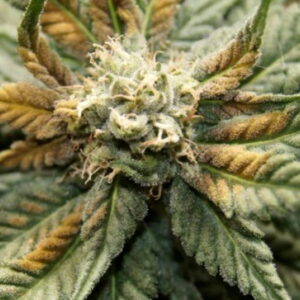
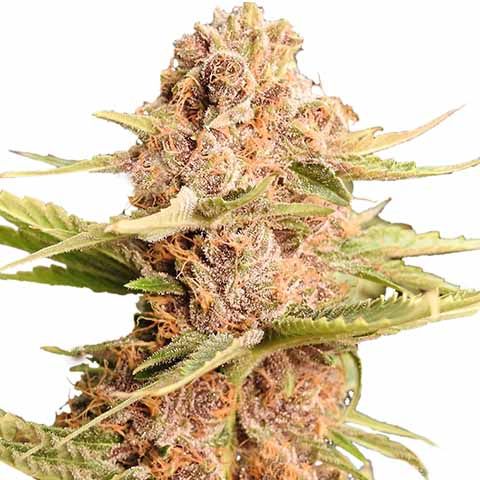
Chili Verde buds are usually described as fat, pepper-shaped and fluffy. Olive green coloring, purple leaf tones, bright orange pistils and a dense coat of frosty crystal trichomes define the typical appearance. The visual profile reflects the indica-dominant structure: chunky, resinous nugs that show trichome coverage clearly even before close inspection.
Olive green is the dominant base color, but purple accents may appear across the leaves in phenotypes carrying a genetic predisposition for anthocyanin production. Cooler temperatures can intensify that coloration in predisposed plants, but the genetics have to support it first.
That purple-to-green contrast, set against the bright orange pistils, gives Chili Verde a visually striking appearance that stands out in any display.
Trichome coverage is a notable feature. Users and growers describe a dense crystal coating with a slight purple tint. Well-cured Chili Verde nugs feel sticky and dense rather than dry or crumbly. The resin is visible and tangible in a way that signals quality before you break the bud open.
The bud shape connects to the name in a literal sense. The pepper-shaped structure, compact and rounded with good density, mirrors the form of a small chili pepper when the nugs are fully developed and trimmed.
Growing the Chili Verde Strain
Chili Verde is an intermediate to advanced level cultivar suited to indoor, outdoor and greenhouse environments with a medium-tall height and an estimated 8-10 week flowering period.
GrowDiaries categorizes this strain as ‘challenging’ based on its pest and disease susceptibility and the active canopy management it requires from early in the grow.
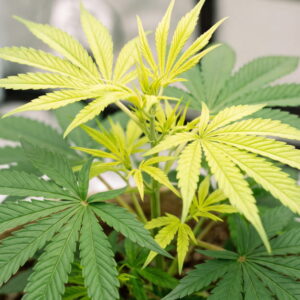
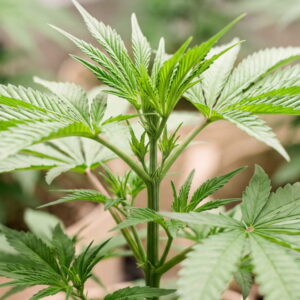
Height management is a key consideration. Chili Verde grows to a medium-tall stature that can stretch if left unchecked. Topping and FIMming are strongly recommended to keep the canopy manageable and maximize bud sites across the plant.
Trellising supports the structure during flower when bud weight builds. Pruning lower growth improves airflow and light penetration through the canopy.
Pest and disease vigilance is non-negotiable with this cultivar. Chili Verde is reported as prone to pests and diseases generally, so regular inspection is part of the grow routine regardless of setup.
Humidity control is equally important. Mildew and bud rot risk increases in humid environments. Dense bud structure creates conditions where moisture accumulates if airflow isn’t actively managed.
The strain suits both soil and hydroponic media, giving growers flexibility in their setup approach. Chili Verde seed types and grow-from-seed expectations vary across feminized, autoflower and regular options, with each format suiting different setups, experience levels and harvest goals.
Growing Chili Verde Indoors
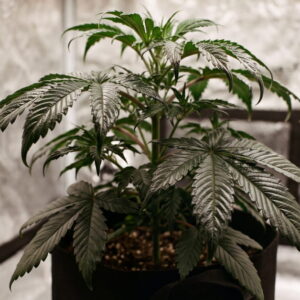
Chili Verde grows indoors in standard tent and room setups, reaching a medium-tall height that requires active training to stay within the available vertical space. Topping and FIM early in vegetation keep the canopy wide rather than tall, and consistent pruning during flower helps airflow through the dense bud structure.
Flowering is estimated at 8-10 weeks. Indoor yield is commonly estimated at around 1.3 oz/ft² (approximately 400 g/m²). That’s a moderate return for a cultivar that prioritizes resin density and terpene expression over raw bulk.
Strong active airflow is essential given the strain’s susceptibility to mildew and bud rot. Dense indoor buds in still, humid air invite moisture problems that can affect the harvest. Carbon filtration is also a practical necessity for indoor growers who need to manage the strong scent in the final weeks of flowering.
Growing Chili Verde Outdoors
Chili Verde grows outdoors in warm, sunny climates. Harvest timing is estimated from parent strain profiles, and consistent vigilance against mildew, bud rot and general pest pressure is essential throughout.
The strain has well-documented outdoor credentials. Chile Verde took first place in the personal sun-grown category at the 2018 Emerald Cup, a recognized benchmark in the U.S. craft cannabis circuit.
Outdoor yield is reported at 15-20 oz per plant, though actual returns depend heavily on climate, growing conditions and grower experience. Warm temperatures and generous sun exposure form the foundation of a successful outdoor grow.
Regular pest inspection is essential given the strain’s documented susceptibility in less controlled environments. Even in drier climates, the dense bud structure warrants consistent airflow monitoring through the final weeks of development.
Chili Verde Seeds
When it comes to cannabis seeds, Chili Verde is typically available in feminized and regular format. Specific seed type, seed source and setup all affect plant behavior, flowering time and yield. The Key Lime Pie and Lavender genetics behind this cultivar produce a plant that rewards consistent training and active pest management at every stage.
Feminized marijuana seeds are the most commonly sought format for growers who want virtually all-female crops, cutting out the time and resources spent on male detection and removal at scale. A small number of hermaphrodites can still appear, so a quick visual check through the flowering stage remains standard practice.
For a simpler option, autoflower weed seeds offer a quicker lifecycle with no light cycle management required.
Remember to always check your applicable local laws before purchasing, germinating or cultivating any cannabis seeds.
Chili Verde vs Similar Strains
Compare Chili Verde with similar strains if you want a different effect profile, flavor direction, potency level, genetic background or growing behavior.
| Strain | Flavors | THC | Choose This If You Want |
|---|---|---|---|
| Peanut Butter Breath | Butter, Woody, Nutty | 25% | The same calming effects with richer, sweeter flavors. |
| White Widow Auto | Earthy, Herbal, Spicy | 19% | A fast auto with earthy-spice & a lighter, more social high. |
| Critical Mass | Earthy, Skunky, Spicy | 20% | A beginner-friendly indica with earthy-spicy notes & larger harvests. |
| Donny Burger | Cheese, Diesel, Earthy | 25% | High THC with a pungent savory-diesel profile & a higher-yielding grow. |
| Jack Herer Auto | Citrus, Herbal, Spicy | 23% | Citrus-spice flavors in a fast-finishing auto with high-energy effects. |
FAQs About the Chili Verde Strain
What is the Chili Verde Strain?
Chili Verde is an indica-dominant hybrid cannabis strain bred by HBK Genetics from a cross of Key Lime Pie and Lavender. It’s commonly listed at 21% THC and known for a fast-onset, calming high with a peppery and spicy-citrus flavor profile. The strain won first place at the 2018 Emerald Cup in the personal sun-grown category.
Is Chili Verde Indica or Sativa?
Chili Verde is an indica-dominant hybrid, commonly listed at a 70% indica and 30% sativa ratio. The initial effects lean slightly sativa with an energizing mental onset, but the indica character takes over progressively through body relaxation. Classification can vary by breeder and phenotype, so the 70/30 split works as a general guideline.
How Strong is Chili Verde?
Chili Verde is commonly listed at 21% THC, placing it in the high-potency range. Actual potency varies by phenotype, grow conditions, harvest timing and testing source, so the figure is a benchmark rather than a guarantee. Consumers new to high-THC strains should approach Chili Verde conservatively until they’ve established their tolerance with this specific cultivar.
What Are the Effects of Chili Verde?
Chili Verde is commonly reported to produce relaxation, hunger and a happy, elevated mood. The high typically starts with an energizing mental lift before transitioning into a calming full-body effect as the indica side takes hold. At higher doses, expect heavier body relaxation and potential sedation. Most users describe it as a calming experience suited to evening use.
What Does Chili Verde Taste Like?
Chili Verde’s primary flavor is peppery and spicy, with lime and lavender notes adding citrus brightness and floral sweetness. Some consumers detect a herbal or fuel note on the exhale, and a sweet undercurrent runs beneath the spice when the flower is well-cured. The flavor is distinctive, driven mainly by the caryophyllene as the dominant terpene.
What Does Chili Verde Smell Like?
Chili Verde’s aroma is earthy and slightly floral before grinding, shifting to a pungent, skunky and spicy character once the bud is broken open. The herbal and spicy notes dominate after grinding, while lime and lavender play a subtler role in the overall aroma. It’s a noticeable, aromatic strain that fills a room quickly.
What Are the Genetics of Chili Verde?
Chili Verde descends from Key Lime Pie and Lavender, with the cross typically attributed to HBK Genetics. Key Lime Pie traces through a Girl Scout Cookies lineage including OG Kush and Durban Poison, contributing citrus brightness and a high potency ceiling. Lavender brings spice and floral depth through Super Skunk and Afghani lineage.
What Terpenes Are in Chili Verde?
Chili Verde’s dominant terpene is caryophyllene, the peppery compound responsible for the strain’s signature spice in both flavor and aroma. Humulene brings an earthy and hoppy character that grounds the overall profile, while limonene adds the citrus and lime brightness that lifts the experience.
How Long Does Chili Verde Take to Flower?
Chili Verde usually flowers in approximately 8-10 weeks, though seed-type timing differences vary by setup and phenotype. Outdoor timing isn’t reliably documented across sources, so indoor estimates from parent strain profiles are the most commonly cited reference for planning a grow.
Is Chili Verde Easy to Grow?
No. Chili Verde is rated as a challenging strain that demands active management throughout the grow. It’s prone to pests and diseases and grows to a medium-tall height that benefits from topping and FIM. Consistent humidity control is also essential to avoid mildew and bud rot. It’s a rewarding grow for experienced cultivators who manage those demands well.
Can Chili Verde Grow Outdoors?
Yes. Chili Verde grows outdoors in warm, sunny climates and took first place in the personal sun-grown category at the 2018 Emerald Cup. Outdoor growing requires strong pest vigilance and active humidity management, with results depending significantly on grower experience and local climate conditions.
What Type of Chili Verde Seeds Are Available?
Chili Verde seeds are commonly produced in feminized and regular formats. Pack sizes, stock status and grow-from-seed details depend on the catalog source and current availability.