[Effects, Genetics & Growth Traits]
The Sherblato strain is a sativa-leaning hybrid known for its uplifting effects, sweet ‘n sour tropical flavors and 25% THC. Growers and buyers searching for the Sherblato weed strain will find a full breakdown of genetics, terpene profile, phenotype variation, and growth traits below.
What is the Sherblato Weed Strain?
Sherblato is a hybrid cannabis strain produced by crossing Sherbert (AKA Sunset Sherbet) with Gelato. It’s earned a West Coast following for its tingly, calming high and the tart citrus flavor it carries from both parent strains.
At 25% THC, Sherblato sits firmly above average in the potency range. Its effects hit fast, settle into a relaxed euphoria and taper off without leaving you couch-locked. That makes it a natural fit for afternoons, social sessions and creative work.
Most phenotype expressions run sativa-leaning, though the exact balance shifts from plant to plant. Some phenotypes produce darker-colored buds marketed under names like “Black Sherblato.” These names usually describe different phenotype expressions of the standard Sherbert x Gelato cross, not a different cultivar.
Sherblato seeds appear in feminized formats through several online seed banks, with grow-from-seed traits varying by source and phenotype.
Use the quick facts table below to compare Sherblato by type, genetics, THC level, effects, flavor, terpenes and grow traits.
| Property | Value |
|---|---|
| Strain name | Sherblato |
| Type | Sativa-dominant hybrid |
| Classification | 70% sativa / 30% indica |
| Genetics | Sherbert (Sunset Sherbet) x Gelato |
| Extended lineage | Pink Panties, GSC, Durban Poison, OG Kush |
| THC | 25% |
| CBG | 1% |
| Main effects | Tingly, Relaxed, Euphoric, Creative, Uplifted, Social |
| Flavors | Apricot, Chestnut, Citrus, Berry, Sweet, Sour |
| Aromas | Earthy, Fruity, Gas, Tropical, Sweet |
| Dominant terpenes | Caryophyllene, Limonene, Myrcene |
| Flowering time | 7–9 weeks |
| Indoor yield | 1–2 oz/ft² (305–610 g/m²) |
| Outdoor yield | 2–3 oz/plant (57–85 g/plant) |
| Height | 5–7 ft (152–213 cm) |
| Grow difficulty | Intermediate to advanced |
| Best environment | Indoor, outdoor or greenhouse; Mediterranean climate preferred |
| Typical seed availability | Feminized |

Is Sherblato Indica or Sativa?
The Sherblato strain is usually classified as a sativa-leaning hybrid. The commonly reported split runs around 70% sativa / 30% indica. Classification varies by phenotype and source, so treat it as a general guide rather than a fixed prediction of effects.
The sativa lean shows most clearly at the start of the high. Sherblato’s cerebral onset hits first, bringing euphoria and mood-boosting, creative energy before the body relaxation takes over. You stay alert and present rather than sedated, even as the effects settle deeper.
Some phenotypes run closer to a 50/50 balance. Growers who’ve worked with multiple cuts report real variation between individual plants. Indica-leaning phenotypes tend to land with more body weight and less of the heady sativa buzz.
Beyond genetics, cultivation method, temperatures and training can all shift which traits express more strongly in any given run.
For most standard phenotypes, expect a sativa-dominant character in the first hour. A warm, pleasant body undertone builds behind it as the high develops. Sherblato’s classification as a hybrid holds across phenotypes: neither fully sativa nor fully indica in any consistent expression.
Sherblato Genetics and Lineage
Sherblato descends from two of modern cannabis’s most celebrated flavor strains: Sherbert (Sunset Sherbet) and Gelato. Commonly reported lineage traces the cross through an extended family that includes Pink Panties, Girl Scout Cookies (GSC), Durban Poison and OG Kush.
Gelato is responsible for the creamy, dessert-richness you notice in Sherblato’s chestnut and vanilla notes. It inherits Gelato’s smooth delivery and the rounded body presence that keeps the high from running too jittery. Through Gelato, GSC’s influence passes down a familiar cookie-earth character that shows up in the musky finish at the end of each hit.
Sherbert brings the tangy citrus brightness and hybrid structure that keeps Sherblato from sitting too heavy. Pink Panties and Durban Poison sit further back in Sherbert’s family tree. They contribute the sativa energy and uplifting quality behind Sherblato’s distinct cerebral phase.
Flavor Chasers, a UK-based breeding outfit, is frequently associated with Sherblato as a prominent producer of the cross. The strain’s original breeder attribution remains unclear, and no source has firmly established who first developed it.
Sherblato genetics influence what growers see in plant structure, flowering time and aroma direction. Grow-from-seed expectations vary by phenotype, environment and grower experience across different sources and seed bank offerings.
Sherblato THC Level and Cannabinoid Profile
Sherblato carries a THC level of 25%, placing it clearly above the typical hybrid potency range. Most mid-tier hybrids land in the 18–22% bracket. Sherblato clears that by a meaningful margin, which shows in how fast the effects land and how fully they develop.
CBG (cannabigerol) rounds out the known cannabinoid picture at 1%. CBG is a non-intoxicating compound that appears alongside THC in resin-heavy cultivars. At 1% it’s a minor note, but its presence reflects the cannabinoid density typical of the Gelato x Sherbert cross.
| Cannabinoid | Level |
|---|---|
| THC | 25% |
| CBG | 1% |
At 25% THC, Sherblato rewards measured dosing. If you’re trying it for the first time, starting lighter gives you room to find your comfortable range before going deeper into the experience. Experienced high-THC consumers will find the potency sits in familiar territory.
Beginners or low-tolerance users should approach Sherblato carefully. Reported strength varies between samples, but the 25% benchmark produces an intense experience for consumers not used to top-tier hybrid potency.
What Are the Effects of Sherblato?
Sherblato is commonly reported to produce tingly, relaxed and euphoric effects, with an experience generally described as calming without being sedating. The onset is fast. Within minutes, you’ll notice a cerebral lift that pushes out lingering tension and leaves a clear, uplifted headspace in its place.
From there, the mood brightens and settles. Euphoria comes in behind the initial lift, bringing a sense of ease that makes conversation feel natural and creative thinking more accessible. Sherblato doesn’t push you into productivity. It nudges you toward reflection, light socializing and the kind of flow state that suits casual creative work better than structured output.
The body effects build as the mental phase holds. A pleasant, tingly buzz spreads through your limbs. But it’s not heavy sedation. It’s a soft physical ease that handles background tension without demanding you stay seated. Most users describe the physical side as the comfortable end of being stoned: relaxed, light and completely at peace.
The overall experience trends toward the happily calm end of the spectrum, which lines up with what most users describe: You won’t feel jittery or anxious. You won’t feel napped out either. The afternoon-use sweet spot lands right there.
Sherblato is a great strain for social settings. It keeps you engaged and present without tipping into the sedation that makes conversation feel like effort. Loose creative sessions benefit too, particularly brainstorming or artistic work that doesn’t demand sharp focus. For structured output or anything requiring high concentration, it’s probably not the right session choice.
The effects don’t run indefinitely. Sherblato delivers a full, satisfying experience that winds down gradually and cleanly.
The table below breaks down the most commonly reported effects by intensity and onset.
| Effect | Intensity | Onset | Best Suited For |
|---|---|---|---|
| Tingly | Mild to High | Fast | Relaxed body calm |
| Relaxed | High | Gradual | Day time wind down |
| Euphoric | Mild | Fast | Social settings, mood lift |
| Happy | Mild | Gradual | General use |
| Creative | Mild | Gradual | Casual creative work |
| Uplifted | Mild | Fast | Social energy |
Onset timing and intensity shift slightly between phenotypes. The table reflects the most commonly reported experiences across standard Sherblato crosses.
What Are Sherblato’s Side Effects?
Sherblato may cause dry mouth, dry eyes and headaches in some users, particularly at higher doses. These are manageable with basic preparation. Staying hydrated and having water nearby can handle most dry-mouth and dry-eye discomfort.
At 25% THC, overindulging carries real risk. Pushing past your comfortable dose range increases the chance of paranoia, dizziness and elevated blood pressure. The sativa lean can amplify anxiety in users who are already prone to it. If that describes you, starting lighter is the smarter approach.
Sherblato finds its best balance within a comfortable dose range. The calming, euphoric character holds at that level. Push past it and the sativa influence can tip toward restlessness rather than creative ease. The indica side can also land heavier than expected, depending on the phenotype.
If you deal with existing insomnia, be aware that some phenotypes may keep you more alert than expected. Taking Sherblato earlier in the day until you know how your specific phenotype behaves gives you more room to adjust.
Standard precautions apply. Avoid operating heavy machinery and give yourself a comfortable setting for your first session. Appetite stimulation is also common, so keep snacks within reach to satisfy those munchies.
What Does Sherblato Taste and Smell Like?
Sherblato delivers a flavor that leads with apricot, chestnut and citrus. The combination sits in the sweet-tart territory the Gelato lineage is known for. Stone-fruit richness and a subtle nutty note round out the bright citrus edge.
Secondary notes come through as the experience develops. Berry, creamy vanilla and a faint diesel undercurrent give the profile more depth than a simple fruit-forward strain. A musky, earthy finish lingers near the end, a characteristic that traces back to Sherblato’s GSC ancestry.
Hints of skunk come through on some phenotypes, adding a familiar pungency that suits the overall complexity. The smoke itself tends to stay smooth, which lets the layered flavor come through clearly without harshness interrupting it.
The aroma opens with a candy-like sweetness layered over sour citrus and sweet tropical fruit. Underneath that, a gassy, pungent base keeps things grounded. You’ll pick up earthy and nutty notes that deepen the initial sweet impression. The overall scent is fruity, pungent and tropical with a sweet sourness as the buds break open.
Flavor and aroma track closely, though the scent tends to be more pungent than what you get in the actual smoke. Sherblato’s scent announces itself in a room. Expect a noticeable presence when you’re working with fresh flower.
What Terpenes Are in Sherblato?
The Sherblato strain’s terpene profile centers on three primary compounds: caryophyllene, limonene and myrcene. These three work together to produce the flavor and effect character that makes the strain identifiable.
The table below details each terpene’s flavor note and its contribution to the overall experience.
| Terpene | Flavor Note | Effect |
|---|---|---|
| Caryophyl. | Spicy, peppery | Calming, body ease |
| Limonene | Citrus, tart | Uplifting, euphoric |
| Myrcene | Earthy, herbal | Relaxing, tingly |
Caryophyllene gives Sherblato its spicy, peppery base note. It sits beneath the sweeter fruit flavors and contributes to the physical ease in the body-high phase. It’s the most prominent of the three and ties directly to Sherblato’s calming, grounding quality.
Limonene drives the citrus brightness you pick up right away in both the aroma and the flavor. It connects to the uplifting mood character and helps explain why the initial phase runs more euphoric than sedating.
Myrcene adds the earthy, herbal grounding that keeps Sherblato from being too bright or sharp. It reinforces the relaxing body effect and complements the calming quality that caryophyllene anchors.
Together, the three produce a profile that’s fruity on the surface and grounding underneath. It’s a terpene combination that fits Sherblato’s calming, sativa-leaning personality.
What Does Sherblato Look Like?
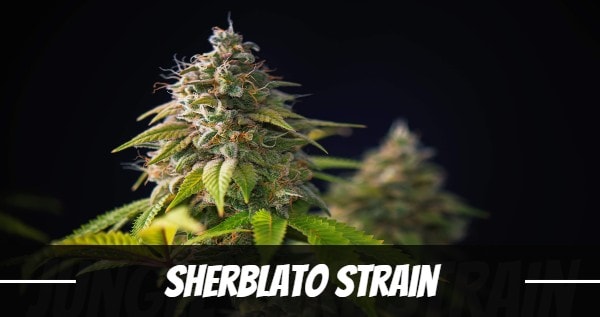
Sherblato produces small, conical nugs that are quite dense for their size. The buds are usually forest green with dark olive green leaves throughout, and the color palette gets more interesting the closer you look.
Deep amber hairs (pistils) thread through the surface, giving the nugs a warm contrast against the green base. The trichome coating stands out most. Tiny purple-tinted white crystal trichomes cover the buds and give them a frosty, slightly violet appearance that catches light well.
The amethyst and violet hues that appear in the trichomes intensify when the plant experiences cooler nighttime temperatures during early flowering. Growers working with genetically color-expressive phenotypes can bring those tones out more reliably by keeping nighttime temperatures slightly cooler through early flower.
Sherblato’s plant structure is tall, averaging 5–7 ft (152–213 cm), with a darker moss-green leaf color that deepens in the later stages of flowering. The buds stay modest in individual size, the classic popcorn shape, but they’re dense and heavily resinous despite their compact form.
Growing Sherblato: Indoors and Outdoors
Sherblato grows best in warm, Mediterranean-style conditions with moderate humidity. It suits intermediate to advanced growers. Limited breeder data on resistance traits and ideal conditions means you’ll need to read each plant carefully and adjust based on what you observe.
Sherblato can be grown indoors, outdoors or in a greenhouse, where permitted by federal, state and local law. Topping and lateral training are both recommended regardless of setup. Training the plant to spread sideways saves canopy space and improves light penetration to lower bud sites.
Here’s a quick look at each environment:
- Growing Sherblato Indoors: 7–9 week flowering time, above-average yield potential, controlled temperature encourages purple color expression.
- Growing Sherblato Outdoors: warm Mediterranean climate preferred, tall plant structure, greenhouse option viable for more control over growing conditions.
Growing Sherblato Indoors
Sherblato flowers indoors in 7–9 weeks. Average yields land at 1–2 oz per square foot (305–610 g/m²), sitting comfortably above the mid-range for hybrid photoperiod strains. Some runs have pushed past that benchmark, though 1–2 oz/ft² is the realistic average for controlled conditions.
Temperature management during early flowering has a specific upside here.
In phenotypes that are genetically set up for anthocyanin production, dropping nighttime temperatures during the first few weeks of flower intensifies that color expression. If you’re running a purple-leaning phenotype and Sherblato’s visual character matters to you, that’s the lever to pull.
Without lateral training, the plant grows to 5–7 ft (152–213 cm) in an indoor setup. Topping early and training sideways keeps the height manageable and ensures the canopy stays even across the space. Good ventilation helps with the odor, which runs moderate to high during flower.
Trichome color is your best harvest guide. Milky-white trichomes signal peak potency — that’s the sweet spot for most growers. Pushing to predominantly amber means the plant is past peak, with cannabinoid degradation already underway. Some growers harvest at that stage deliberately, targeting a more sedative finish, but it comes at the cost of THC content.
Growing Sherblato Outdoors
Sherblato suits outdoor gardens in warm, Mediterranean-type climates with consistent heat through the full flowering period. The plant grows tall, reaching 5–7 ft (152–213 cm) at typical heights, so plan your canopy space accordingly.
Average outdoor yields run at 2–3 oz per plant (57–85 g/plant). That’s a modest figure by outdoor photoperiod standards, so manage expectations heading into harvest. Greenhouse cultivation is a viable option and gives you more control over the temperature swings that help draw out Sherblato’s purple coloring.
Mold and pest resistance data for Sherblato isn’t firmly established. Without confirmed breeder guidance, pest and disease management becomes more of a monitoring exercise than a fixed checklist. Keep airflow consistent, avoid high humidity during late flower and inspect plants regularly.
Lateral, low-stress training is still worthwhile outdoors if your growing space is limited. If space allows and your season is long enough, letting the plant develop more naturally reduces stress. A warm outdoor season gives you the best chance at a full expression of the strain’s genetics and color potential.
Sherblato Cannabis Seeds Overview
If you want to buy cannabis seeds for a bud-focused grow, look for Sherblato seeds in feminized format. Feminized weed seeds are bred to produce bud-bearing female plants almost every time, removing the male-plant uncertainty that regular seeds carry.
Pack sizes and specific availability vary by seed source and catalog. Check the specific product page listing to get the most accurate picture of stock status, germination guarantee terms and pricing. Sherblato seeds are only available to eligible adult buyers where permitted by law.
Buyers comparing related Gelato-family and Sherbert-family cultivars will find a range of similar crosses available at varying pack sizes and potency levels. Gelato Sherbet, Lemon Cherry Gelato, Purple Gelato and Sunset Sherbet all share overlapping lineages with Sherblato, as outlined in the next section.
Sherblato Compared to Similar Strains
Each of these strains shares genetic roots with Sherblato but delivers a distinct enough character to earn the comparison. The choice comes down to effects, harvest weight, potency target, grow setup and flavor direction.
Gelato Sherbet
- Main difference: Indica-dominant with more relaxing effects
- Flavor: Sweet, spicy, fruity, vanilla
- THC: 21%
- Choose this if you want: The same parent cross with heavier physical sedation
Lemon Cherry Gelato
- Main difference: Brighter lemon-cherry notes with balanced effects
- Flavor: Lemon, citrus, berry
- THC: 20%
- Choose this if you want: GSC genetics with heavier yields and less sedative effects
Sunset Sherbet
- Main difference: Lower THC and beginner-friendly growth
- Flavor: Citrus, sweet
- THC: 20%
- Choose this if you want: Sherblato-like flavors and milder effects for social, giggly sessions
Purple Gelato
- Main difference: Slightly less potent with sought-after bag appeal
- Flavor: Earthy, fruity, sweet, spicy
- THC: 22%
- Choose this if you want: Spicy depth, purple hues, generous yields, and happy creative effects
Gelato 41 x Vanilla Frosting
- Main difference: Richer dessert flavors and easy-growing genetics
- Flavor: Sweet, vanilla, creamy, berry
- THC: 24%
- Choose this if you want: Sweet, creamy richness with high potency and a forgiving grow
FAQs About the Sherblato Strain
What is the Sherblato Strain?
Sherblato is a sativa-dominant hybrid produced by crossing Sherbert (Sunset Sherbet) with Gelato. It’s known for tingly, uplifting, euphoric and calming effects and a tart citrus flavor backed by gassy notes. Most phenotypes are sativa-leaning, and at 25% THC it sits well above the average hybrid potency range.
Is Sherblato Indica or Sativa?
Sherblato is a hybrid with a sativa-leaning character. The commonly reported phenotype split runs around 70% sativa / 30% indica, though some plants express closer to a 50/50 balance. The sativa influence tends to dominate the onset and mood lift, while the indica side adds body ease as the high develops.
How Strong is Sherblato?
Sherblato sits at around 25% THC, placing it above the average hybrid potency range. That’s enough strength to hit hard and fast even for experienced consumers and strong enough that beginners should start conservatively. CBG at 1% rounds out the known cannabinoid profile. Reported strength varies between samples and growers.
What Are the Effects of Sherblato?
Sherblato’s effects include a fast-acting cerebral lift, tingly body buzz and relaxed, euphoric mood. The experience starts in the head with uplifted, happy energy then settles into physical ease without full sedation. It suits afternoon use, social settings and casual creative work better than high-focus tasks or late-night sessions.
What Does Sherblato Taste Like?
Sherblato tastes like sweet apricot, chestnut and citrus up front, with secondary notes of berry, vanilla cream and a faint diesel undertone. The flavor is sweet-tart and fruity, carrying the dessert richness characteristic of the Gelato and Sherbert lineage. A mild musky-earthy finish shows up near the end of each hit.
What Does Sherblato Smell Like?
Sherblato smells earthy, fruity and pungent with a sour-sweet tropical fruit character. You’ll pick up candy-like sweetness alongside a gassy undertone that comes through more clearly as the buds break open. The overall scent is noticeable with fresh flower.
What Are the Genetics of Sherblato?
Sherblato’s parent strains are Sherbert (Sunset Sherbet) and Gelato. The extended lineage includes Pink Panties, Girl Scout Cookies, Durban Poison and OG Kush. Flavour Chasers is frequently associated with the strain as a key producer, though confirmed original breeder attribution remains uncertain.
What Terpenes Are in Sherblato?
Sherblato’s dominant terpenes are caryophyllene, limonene and myrcene. Caryophyllene contributes a spicy, peppery note and calming body character. Limonene drives the citrus brightness and mood uplift. Myrcene adds earthy grounding and reinforces the relaxing effects. Together they produce Sherblato’s fruity-on-the-surface, grounding-underneath fingerprint.
How Long Does Sherblato Take to Flower?
Sherblato usually flowers in 7–9 weeks, though grow-from-seed expectations and seed-type timing differences vary by setup and phenotype. Trichome color is the most reliable harvest guide: milky-white for peak potency, or past peak (mostly amber) for a more sedative outcome. Outdoor harvest timing depends on local climate conditions.
Is Sherblato Easy to Grow?
No. Sherblato leans intermediate to advanced in difficulty. Limited breeder data on disease resistance and pest tolerance means you’re working without a well-documented playbook. Topping and lateral training are both recommended, and the strain performs best in warm, Mediterranean-type conditions with consistent heat and moderate humidity.
Can Sherblato Grow Outdoors?
Yes. Sherblato grows outdoors in warm, Mediterranean-type climates with consistent warmth through flowering. It reaches 5–7 ft (152–213 cm) at typical heights and average outdoor yields run at 2–3 oz per plant (57–85 g/plant). Greenhouse cultivation is a viable alternative for growers who want more control over temperature and humidity.
What is Black Sherblato?
Black Sherblato refers to a phenotype of the standard Sherblato cross (Sherbert x Gelato) that produces deeper violet and amethyst trichome tones. It isn’t a separate cultivar, but a phenotype variation of the same genetics. Names like “Blue Sherblato” and “Sherblato Cake” describe similar phenotype-level distinctions.